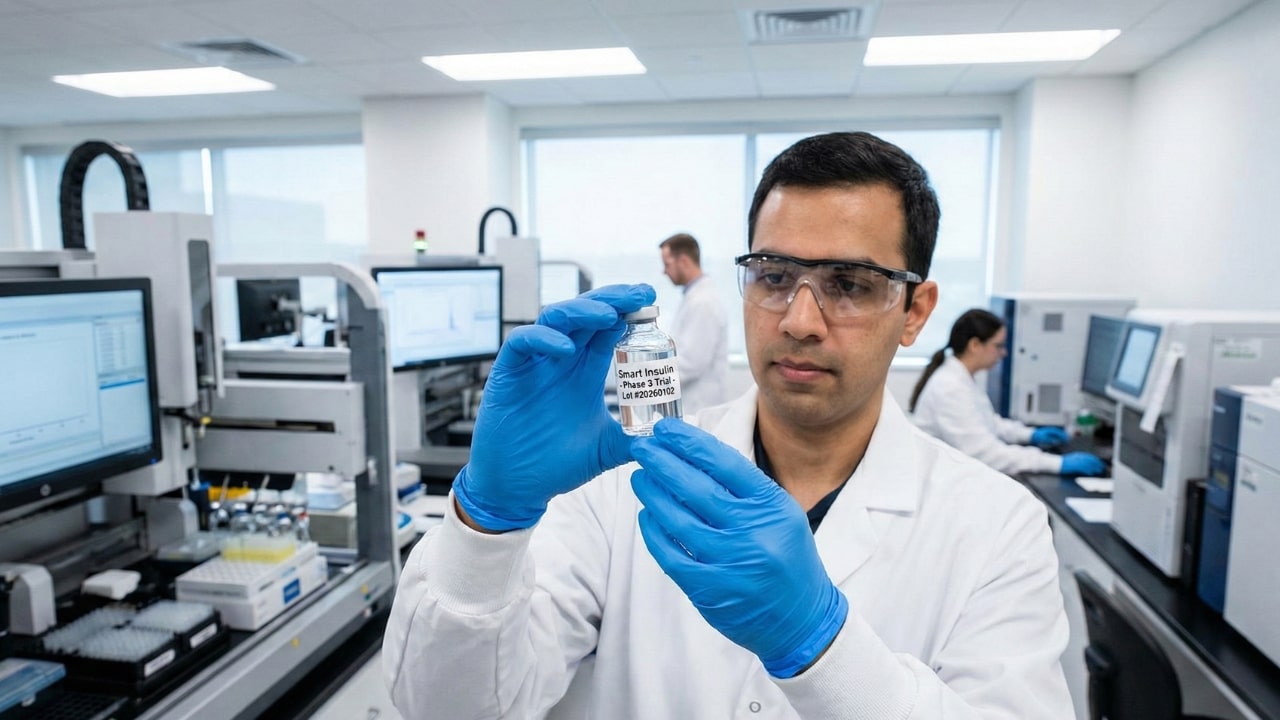
"For millions of families living with diabetes, the daily struggle of injections could soon be a memory. Science has delivered hope."
LONDON (Jan 02, 2026) – It’s the news millions of people around the world have been praying for. A revolutionary new diabetes treatment, dubbed "Smart Insulin," has successfully completed its final stage of testing (Phase 3 clinical trials), paving the way for a global rollout later this year.
The innovative drug, developed by leading pharmaceutical researchers, promises to replace the burden of daily injections with a simple, once-a-week dose. This breakthrough is set to transform the lives of both Type 1 and Type 2 diabetes patients, offering them freedom from the strict and often painful daily routine they have known for decades.
How Does 'Smart Insulin' Work?
Unlike traditional insulin, which requires careful timing around meals and constant blood sugar monitoring, "Smart Insulin" (scientifically known as Icodec) works intelligently within the body.
Once injected, the medication stays dormant in the bloodstream. It activates only when blood sugar levels rise, releasing the exact amount of insulin needed to bring levels back to normal. This "on-demand" mechanism not only reduces the number of shots from **365 a year to just 52** but also significantly lowers the risk of dangerous blood sugar drops (hypoglycemia).
Expert Opinions: A Historic Milestone
Dr. Sarah Ahmed, a leading endocrinologist, called the trial results "nothing short of a miracle."
"I have patients who have been injecting themselves multiple times a day since they were children," she told MN News. "The mental and physical relief this weekly treatment offers is immeasurable. It will improve compliance, reduce long-term complications, and quite simply, let people live their lives again."
What's Next for Patients?
With Phase 3 trials now complete and showing a 98% success rate in maintaining safe glucose levels, the drug has been submitted to global health authorities, including the FDA and EMA, for final approval.
If approved as expected by mid-2026, the treatment could be available in hospitals and pharmacies by the end of the year. Health organizations are already working on pricing models to ensure this life-saving innovation is accessible to everyone who needs it.
For now, the diabetes community breathes a collective sigh of relief. The future of care isn't just better; it's smarter.
Leave a Reply
Your email address will not be published. Required fields are marked *